Research & Practice
Item set
Items
1–25 of 47
Advanced search
-
 Publication: The “Centering Justice” Symposium: A Call to Climate and Environmental Justice Centers Within Higher Education This is a journal article about the Centerting Justice Symposium. This article offers a summary of the event and reflects on some of the key aspects and outcomes of the symposium, including (1) investing in inclusive planning practices and agenda setting grounded in EJ principles, (2) relationship-building as a cornerstone of EJ-focused missions, (3) committing to changing the rules of higher education to center EJ movement needs, (4) institutionalizing and modeling practices that center justice, (5) creating a manifesto to disseminate and act on shared commitments, and (6) building a community of practice for co-learning and accountability
 -
 Video: Dome of Memory Video Time-lapse video of the Dome of Memory construct during the 2015 Earth Week programming.
 -
 Publication: A Resource Database of Cumulative Impacts Permitting Policies: Emerging Opportunities to Protect Environmental Justice Communities from Additional Burden As states respond to environmental justice organizing, cumulative impacts policies are increasingly being proposed to address the overlapping harms faced by low-income communities and communities of color. This article analyzes enacted and proposed state laws that incorporate cumulative impacts into permitting decisions, highlighting key design choices, especially legal mandates and rulemaking, that determine whether these policies deliver meaningful protections for EJ communities.
 -
 Report: Voicing the Power of Climate Justice As part of a broader research effort with the Climate Justice Alliance (CJA) and the National Committee for Responsive Philanthropy, called the Just Returns Project, the Tishman Environment and Design Center conducted a mixed-methods investigation of the impact and scale of grassroots climate action. Through surveys and interviews with 44 CJA member groups and a review of the websites of the 48 Our Power Communities (OPC) CJA members, this study aimed to develop a grassroots-informed evaluative framework of impact and scale that aligns with the intersectional work of CJ organizations.
 -
 Report: Shifting from Moment to Movement: Building Cross-Sector Collaboration and Relationships for EquitableInfrastructure Investments This report is part of a study documenting two years of Community First Fund (CFF) organizing efforts. CFF mobilized resources and collaborated with government, philanthropy, and investment leaders to leverage support to disadvantaged communities mandated by the Biden administration’s Justice40 Executive Order. This research report describes CFF’s pioneering approach to fostering cross-sector collaboration and relationship building to enhance accessibility and equity for disadvantaged, environmental justice communities in federal infrastructure investments.
 -
 Graphics: Report: From Smoke Stack to Storage: Carbon Capture Threats to Environmental Justice Communities The Tishman Center published a white paper summarizing research on what we know so far about the environmental health, and equity threats posed by Carbon Capture and Sequestration (CCS). This infographic illustrates this research, showing how CCS can harm environmental justice communities at every stage, from capture to transport to storage, and why it falls short as a solution to cut carbon emissions.
 -
 Report: Equity Analysis of Delaware’s Green Energy Fund This project investigates the distribution of rebates given out for residential solar installation by Delmarva Power in Newcastle County, Delaware. The analysis helps to surface equity concerns around how a clean energy transition happens.
 -
 Publication: Analysis of proposed carbon capture projects in the US power sector and co-location with environmental justice communities "This paper is a spatial analysis of CCS projects proposed for the power sector and their co-location with EJ communities. Compiling a proposed project list from four CCS databases, we found that 33 of the 35 projects were located in EJ communities, and that additionally, 423 of the 497 (or 85%) EJ census block groups located within three miles of at least one proposed project currently face heightened environmental stress. These results illustrate both the feasibility and the necessity of analyzing the co-location of proposed CCS buildout in EJ communities, and add to the nascent body of literature evaluating the impacts of carbon management technologies such as CCS on these communities."
 -
Report: Carbon Capture and Sequestration & Environmental Justice White Paper This white paper provides a summary of evidence demonstrating the threatsposed by CCS and hydrogen co-firing to environmental justice communities in the United States.
-
 Report: Mandatory Emissions Reductions for Climate Mitigation in the Power Sector Report with case studies from New Jersey, Deleware, and Minnesota on the siting of power plants in burdened communities.
 -
 Publication: Climate Justice Futures: Carbon Management Risks and Alternatives Published article in the Journal of Climate Resilience & Climate Justice about how US-bssed carbon management approaches affect Environmental Justice (EJ) communities.
 -
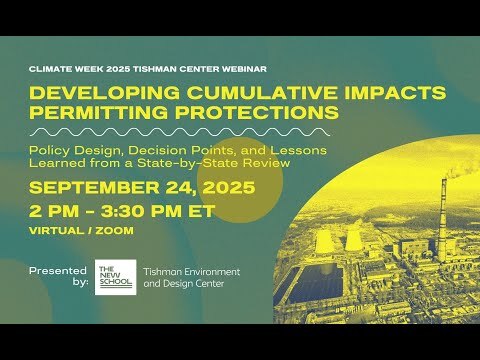 Video: Developing Cumulative Impacts Permitting Protections Webinar Recording Spurred by the leadership of Environmental Justice advocates, states are increasingly engaging in policymaking to respond to the cumulative environmental and social burdens faced by EJ communities. During this webinar, we shared key findings from a first-of-its-kind policy review and database designed to support the integration of cumulative impacts into state environmental permitting frameworks. Advocates from three leading states shared insights on how they’re advancing cumulative impacts policies at various stages of development. We took a critical look at the growing wave of state policies aimed at addressing cumulative impacts in environmental permitting.
 -
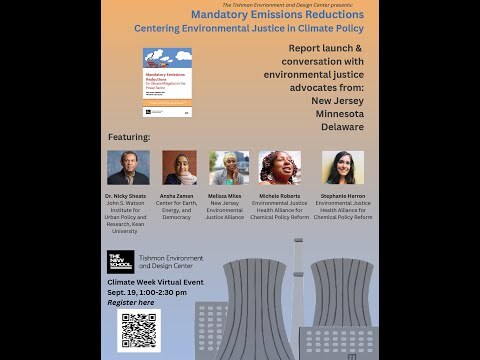 Video: 2023 MER Webinar Across the United States, fossil fuel infrastructure emits toxic air pollution and planet-warming greenhouse gases that drive climate change. Low-income communities and communities of color bear the brunt of both, living on the front lines of impacts from climate change as well as suffering the harms of localized co-pollutants, like particular matter and nitrous oxides, emitted by nearby facilities. A just and equitable climate mitigation policy for the power sector must make the elimination of the sector’s outsized impact on these environmental justice (EJ) communities an explicit goal. A new joint report by Dr. Nicky Sheats of the John S. Watson Institute for Urban Policy and Research (Kean University) and members of the Tishman Environment and Design Center, lays out a framework for a policy to require mandatory emissions reductions (MER) of power sector pollution in EJ communities, and applies it to three state case studies: New Jersey, Minnesota, and Delaware.
 -
 Report: White House Environmental Justice Advisory Council Recommendations from the Carbon Management Workgroup The White House Environmental Justice Advisory Council (WHEJAC) represents urgent initial recommendations on carbon management, highlighting regulatory, data, and risk challenges. Key recommendations include halting carbon management investments, clarifying federal initiatives, reviewing associated risks, ensuring transparent communication, and securing informed consent from affected environmental justice communities. WHEJAC plans ongoing review and requests specific responses at its December 2023 public meeting. This report of recommendations has been written as part of the activities of the WHEJAC, a public advisory committee providing independent advice and recommendations on the issue of environmental justice to the Chair of the Council on Environmental Quality (CEQ) and to the White House Environmental Justice Interagency Council (IAC). Dr. Ana I. Baptista was on the Carbon Management Workgroup and contributed to these recommendations.
 -
 Report: White House Environmental Justice Advisory Council Recommendations - Scorecard Workgroup This document presents recommendations from the White House Environmental Justice Advisory Council (WHEJAC) to the Council on Environmental Quality (CEQ) and the Environmental Justice Interagency Council (IAC) to inform Phase Two of the Environmental Justice (EJ) Scorecard. It recognizes the contributions of the Scorecard Workgroup members in developing the report and continuing efforts to advance federal accountability in environmental justice such as Peggy Shepard, Maria López-Núñez, LaTricea Adams, Dr. Beverly Wright, Jerome Foster II, Dr. Rachel Morello-Frosch, Harold Mitchell, and Michele Roberts. Dr. Yukyan Lam, Research Director at the Tishman Center, was an external contributor.
 -
 Report: White House Environmental Justice Advisory Council Recommendations - Climate & Economic Justice Screening Tool (CEJST) Workgroup This document contains recommendations from the White House Environmental Justice Advisory Council (WHEJAC) to the Council on Environmental Quality (CEQ) regarding the Climate and Economic Justice Screening Tool (CEJST). It acknowledges CEQ’s responsiveness to previous feedback and reaffirms the Tool’s purpose: identifying underserved and overburdened communities to guide Justice40 investments. The recommendations support the continued refinement of CEJST ahead of its Version 2.0 release and future updates as new data becomes available. WHEJAC acknowledges the efforts of the CEJST Workgroup in preparing this report such as co-chairs Dr. Rachel Morello-Frosch and Dr. Nicky Sheats, along with Jade Begay, Jerome Foster II, Juan Parras, LaTricea Adams, Michele Roberts, Tom Cormons, and Vi Waghiyi. Dr. Yukyan Lam, Research Director at the Tishman Center provided comments on the recommendations.
 -
 Report: WHEJAC Recommendations on Climate Planning, Preparedness, Response, Recovery and Impacts The White House Environmental Justice Advisory Council (WHEJAC) submitted its final report to White House Council on Environmental Quality Chair Brenda Mallory and President Joseph R. Biden, offering recommendations on a whole-of-government approach to environmental justice, including climate change, disaster preparedness, and community planning. WHEJAC emphasized that their recommendations are a starting point for deeper, transformational change and rejected the overuse of the term "resilience," noting that it can be used to ignore communities’ needs. The report underscores the urgent and unequal impacts of climate change, especially on communities already burdened by poverty, pollution, and systemic inequality. Tishman Center prepared a literature review for WHEJAC members as preparation for the report.
 -
 Letter and Report: White House Environmental Justice Advisory Council's Carbon Management Recommendations Letter and Report from WHEJAC co-chairs Richard Moore and Peggy M. Shepard, on behalf of the White House Environmental Justice Advisory Council (WHEJAC) to provide recommendations on carbon management strategies must not harm disadvantaged communities. Its recommendations prioritize human rights, health, and inclusive decision-making. WHEJAC stresses that environmental justice is essential to effective climate action and rejects any federal actions that create new injustice. Dr. Ana I. Baptista was part of the Carbon Management Workgroup.
 -
 Publication: Executive Order on Tackling the Climate Crisis at Home and Abroad Executive Order 14008 by Joseph R. Biden Jr. on Tackling the Climate Crisis at Home and Abroad was signed on January 27, 2021. The executive order outlined the Biden Administration’s plans to center the climate crisis in United States foreign policy and national security, as well as implement a government-wide approach to reduce climate pollution across all sectors of the economy, strengthen climate resilience, protect public health, conserve land and biodiversity, deliver environmental justice, and create jobs and economic growth. Executive Order 14008 also established the White House Environmental Justice Advisory Council and its body of work, to which Tishman Center staff contributed as recognized external advisors, as well as public commenters.
 -
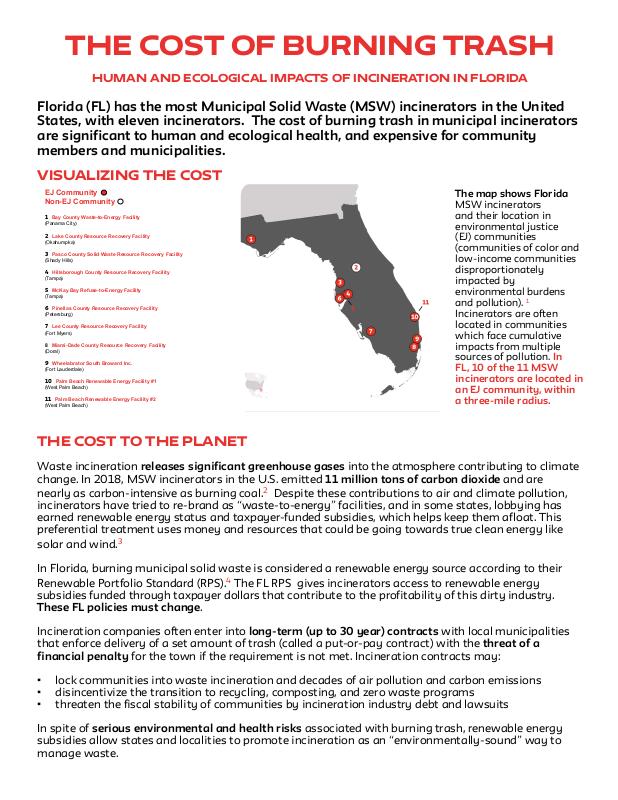 Report: The Cost of Burning Trash The Cost of Burning Trash. Looking at the Human and Ecological Impacts of incineration in Florida, Massachusetts, New York, Pennsylvania, and Minnesota. A collaborative research report created by the research team at the Tishman Center in consultation with GAIA and Moja Robisnon.
 -
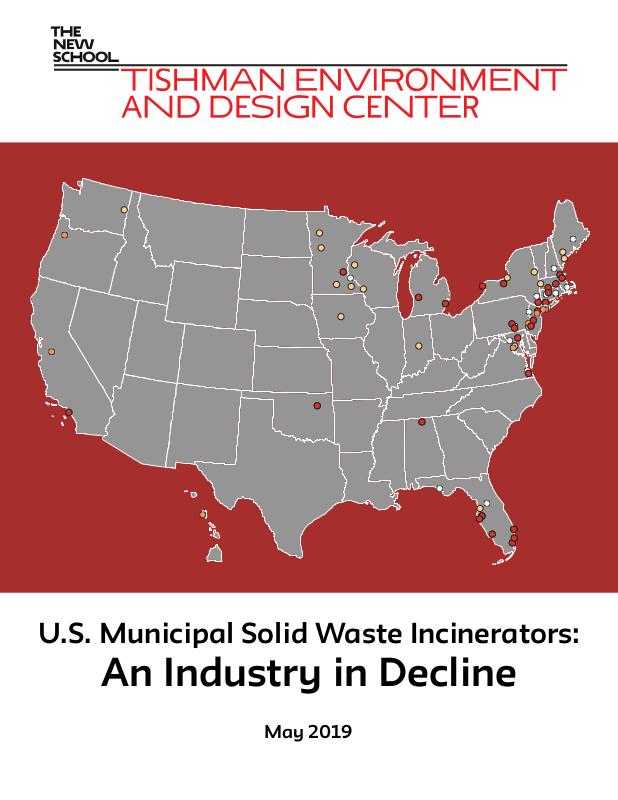 Report: U.S. Municipal Solid Waste Incinerators Report: U.S. Municipal Solid Waste Incinerators. This report examines three major economic vulnerabilities in the MSW incinerator industry. This report was prepared by Ana Isabel Baptista, PhD, and Adrienne Perovich, MPA, with assistance from Amanda Sachs, Anna Yulsman, Brandon Jordan, Claudia Rot, and Kevin Capuno, Research Assistants at the Tishman Environment and Design Center at The New School with support granted by Global Alliance for Incinerator Alternatives (GAIA) in collaboration with Ahmina Maxey. Contributors to the report include Doun Moon, Aiko Fukichi, Claire Arkin, Denise Patel, and Monica Wilson at GAIA as well as Destiny Watford at United Workers, KT Andresky at Breathe Free Detroit, and Whitney Amaya at East Yard Communities for Environmental Justice.
 -
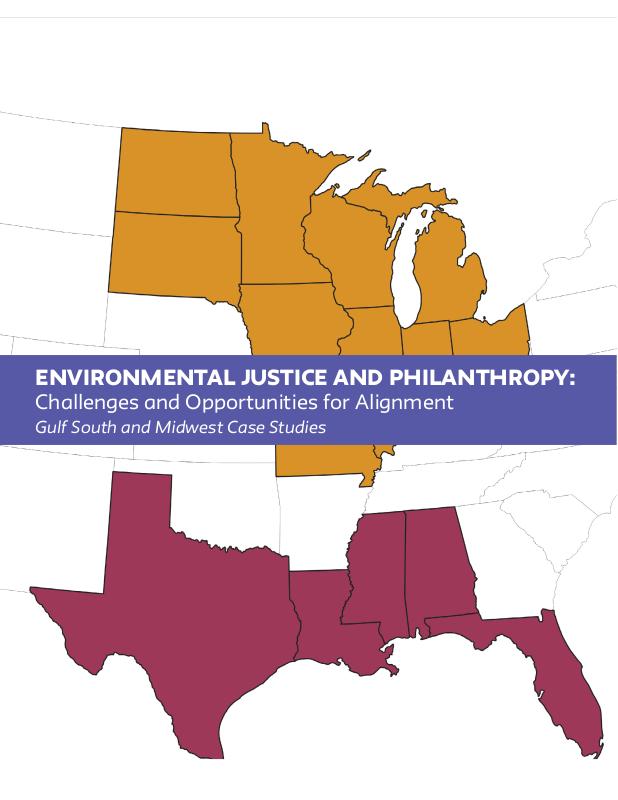 Report: Environmental Justice and Philanthropy: Challenges and Opportunities for Alignment Gulf South and Midwest Case Studies Environmental Justice and Philanthropy: Challenges and Opportunities for Alignment Gulf South and Midwest Case Studies. This final published report was prepared by Ana Isabel Baptista, Ph.D., and Adrienne Perovich, MPA, with assistance from Anna Yulsman, Program Coordinator, as well as doctoral students, Molly Greenberg, and Jennifer Santos Ramirez, who serve as research assistants at the Tishman Environment and Design Center at The New School.
 -
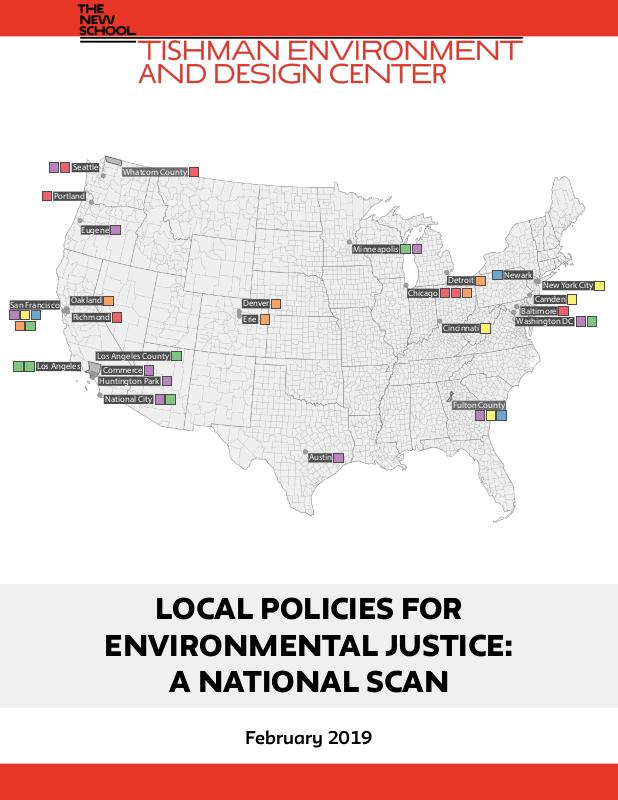 Report: Local Policies for Environmental Justice Local Policies for Environmental Justice is a report that provides a comprehensive look at recent efforts in 23 cities, three counties and two utilities across the United States to address environmental injustices through innovative reforms of zoning, land use, and other local policies. It was prepared by Ana Isabel Baptista, PhD, with assistance from Amanda Sachs and Claudia Rot, Research Assistants at the Tishman Environment and Design Center at The New School. Contributors to the report include Meleah Geertsma, Senior Attorney and the Midwest Director for Health Equity and Water at the Natural Resources Defense Council. This is the final published version of the report.
 -
 Report: False Solutions for Just Climate Mitigation and Clean Energy Policies False Solutions for Just Climate Mitigation and Clean Energy Policies is a report prepared by Ana Isabel Baptista, Ph.D., and Jennifer Ventrella, Ph.D. student at the New School and research assistant at the Tishman Center for Environment and Design, and was released in September, 2022. The report draws on a review of policies and interviews with community leaders to explore how false solutions are present or emerging in the energy policies New Jersey, Delaware, and Minnesota.
 -
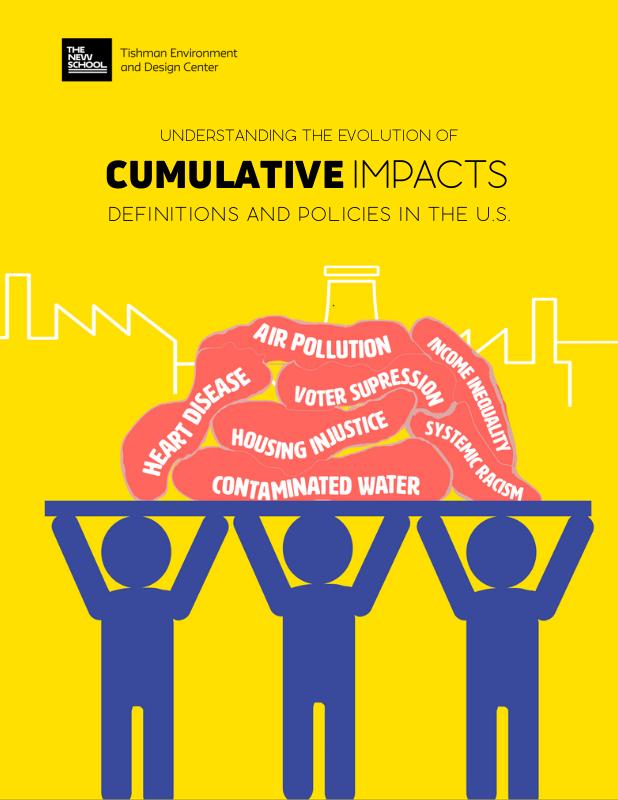 Report: Understanding the Evolution of Cumulative Impacts Definitions and Policies in the U.S. This report, titled "Understanding the Evolution of Cumulative Impacts Definitions and Policies in the U.S.," and released in August, 2022, was prepared by Ana Isabel Baptista, Ph.D., Adrienne Perovich, MPA, and Tishman Environment and Design Center research assistants Maria Fernanda Pulido-Velosa, Enrique Valencia, Marisa Valdez, and Jennifer Ventrella. The research detailed in this report is aimed at supporting environmental justice movement stakeholders and policymakers with a searchable tool of definitions, methodologies, indicators, and thresholds used in statewide cumulative impact policies developed at the time of the report's release.
1–25 of 47